
Combat sports have always travelled well. A clean knockout clip needs no translation. A five round war sells itself. But Southeast Asia has not just become a place that hosts fights. It has become a place that shapes the whole business.
The region now produces champions, sells out venues, and drives massive online viewing. It also creates new rules for what “mainstream” fighting looks like. We see it in the way promotions build cards. We see it in the way fighters train. We even see it in the way fans talk about the sport, day to day.
The change feels fast, but it has been building for years. Local fight culture was already strong. Then modern promotions arrived with bigger budgets and global distribution. The result is a market that matters to everyone, including UK fans who follow the UFC closely.
Singapore’s Fight Week Economy
Singapore is a small country with a big advantage. It is built for international events. It has clean logistics, strong security, and venues that can handle major productions. That is why you see global brands use it as a base, and why big fight weeks land there more often than people expect.
The UFC’s Singapore event in August 2023 at Singapore Indoor Stadium is a good example of how serious the market is. It pulled over 10,000 fans in attendance, which is not a minor crowd for a Fight Night outside the US. When events like that land, they do not just sell tickets. They feed a whole week of spending across hotels, food, nightlife, and the wider entertainment scene.
This is where the wider fight economy shows itself. Combat sports fans are often crossover fans. They follow football, basketball, and esports. They also tend to enjoy table games and live streaming formats, because both feel social and high energy. In Southeast Asia, baccarat sits right in that overlap, especially in live dealer form, where it feels closer to watching a match than playing a solo game.
We also found a page listing baccarat casinos for Singapore players, and it stood out for one reason. Many offshore platforms that target Singapore traffic bundle baccarat with sports sections that include UFC markets. The point is not that fight fans must gamble. The point is that modern fight fandom lives inside a broader digital entertainment world, where fights, streaming, and side markets often sit together in the same platforms.
Thailand Turned Stadium Culture Into Global Content
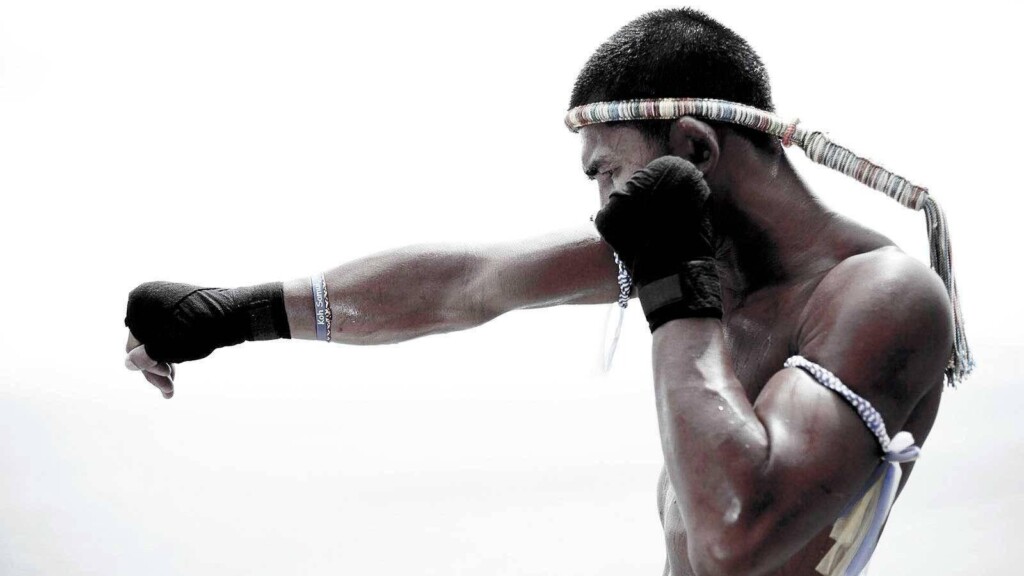
If Singapore is the logistics and business hub, Thailand is the cultural engine. Muay Thai is not a niche sport there. It is an institution, and it has been supported by real venues for decades. Rajadamnern opened in 1945, and it is still treated like a serious proving ground for fighters. Lumpinee dates back to 1956, and it remains a major name in the sport’s identity.
For a long time, stadium Muay Thai felt local, even if tourists visited. The big change is how modern promotions turned it into global content. Broadcast quality improved. English language commentary became standard. Fighters became international stars, not just local champions.
This shift also changed how talent is developed. Stadium belts still matter, but fighters now have more paths to high paying bouts. A strong run in Bangkok can lead to a contract with an international promotion, and that can happen quickly. From a business view, this is huge. It creates a pipeline that keeps the sport fresh, because new names always arrive with real credibility.
Thailand also benefits from training tourism. Fighters from the UK and Europe travel to Phuket, Bangkok, and Chiang Mai for camps. That pulls money into gyms, and it also pulls attention back to local events. This is one reason Southeast Asia has momentum that does not fade between big UFC cards.
ONE Championship Built A Regional Super-Promotion Model
When people ask why Southeast Asia matters, ONE Championship is usually the first answer. It was founded in 2011 and headquartered in Singapore, and it has pushed a multi-sport format that blends MMA, Muay Thai, and kickboxing under one banner. That format fits the region, because fans here do not treat striking arts as “secondary.” They are the main attraction.
ONE also changed the presentation style. The pacing feels more like a modern sports show than a traditional fight night. The storytelling leans into values and identity, not just trash talk. That matters in Southeast Asia, where respect for culture runs deeper and “promoter beef” does not always land the same way.
From a business angle, ONE proved something important. You can build a global product without copying the UFC template exactly. You can sign athletes from many countries, run shows across multiple cities, and still keep a consistent brand. Once that model worked, it made the whole region look like a serious market, not a “development territory.”
Even when ONE makes corporate changes, the key point stays the same. Southeast Asia has a homegrown promotion with international reach, and that is rare in combat sports. It gives the region leverage, because global partners do not only come to “discover talent.” They come to buy media rights and build long term audiences.
A Mobile-First Audience Changed How Fights Are Sold
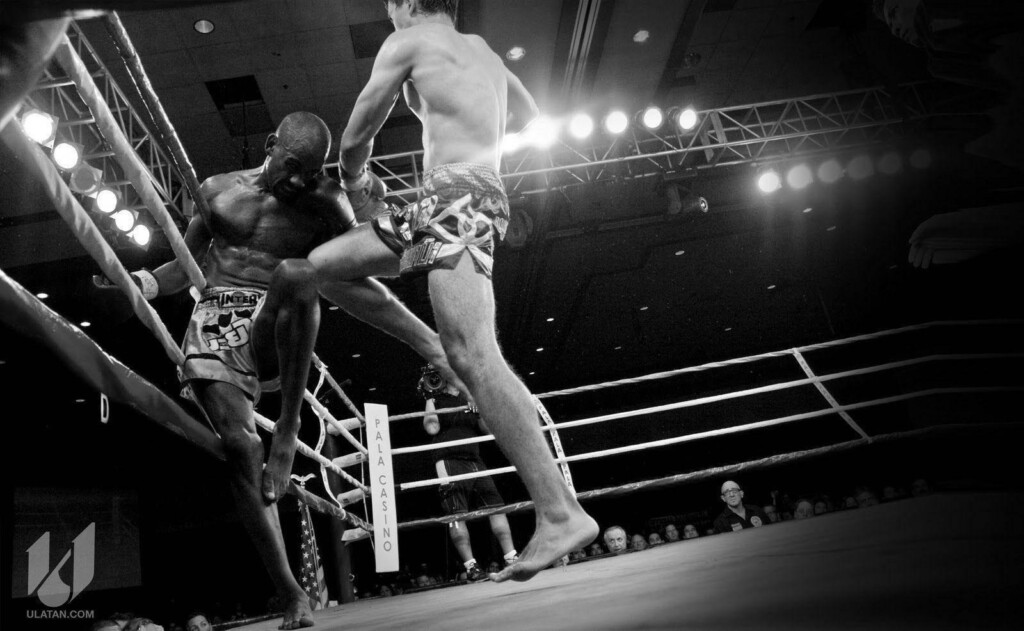
The UK fight audience still has a strong pay-per-view culture. Southeast Asia’s fight audience is more mobile-first. That difference changes how promotions make money and how they market cards.
In many Southeast Asian countries, fans watch highlights, short clips, and live streams on phones. They follow fighters on social platforms daily. They also engage with behind the scenes training content more than long form studio analysis. Promotions noticed this and adjusted fast. They cut content into shorter pieces. They pushed more “always on” coverage. They built stars through social momentum, not only through post-fight interviews.
This matters for the business because it changes sponsorship value. Brands pay for attention, and attention is now measured in clips and shares as much as it is measured in TV ratings. Southeast Asia can deliver that kind of engagement at scale, especially among younger fans.
It also changes matchmaking incentives. Fighters who generate engagement can rise quickly. That is not always “pure sportD rankings,” but it is real business logic. Promotions want athletes who sell, and in this region, selling often happens online before it happens in arenas.
The Talent Pipeline Is Wider Than People Think
A common UK view is that Southeast Asia is “mostly Muay Thai.” That is outdated. The region is now producing MMA talent across multiple countries, and it is doing it with better infrastructure than before.
Thailand remains a training base, but it is not the only engine. Singapore has high quality gyms and a strong expat fight scene. The Philippines has a long boxing tradition and a growing MMA system. Indonesia and Vietnam are building talent pools that are still early, but they are expanding.
The key change is the mix of styles. Modern MMA gyms across the region are not “single art” gyms anymore. They build complete athletes. Fighters learn wrestling defence, cage craft, and round management alongside striking. That creates athletes who can transition into UFC level competition faster than the old stereotype suggests.
Here are a few reasons the pipeline keeps growing:
- More international coaches are based in the region now, not just visiting.
- Fighters can take frequent bouts without long travel, which builds experience.
- Major promotions offer local opportunities, so athletes do not need to move early.
- Training tourism brings sparring partners from everywhere, which raises standards.
This is why the region keeps producing interesting matchups. It is not only about “finding one star.” It is about building depth across weight classes.