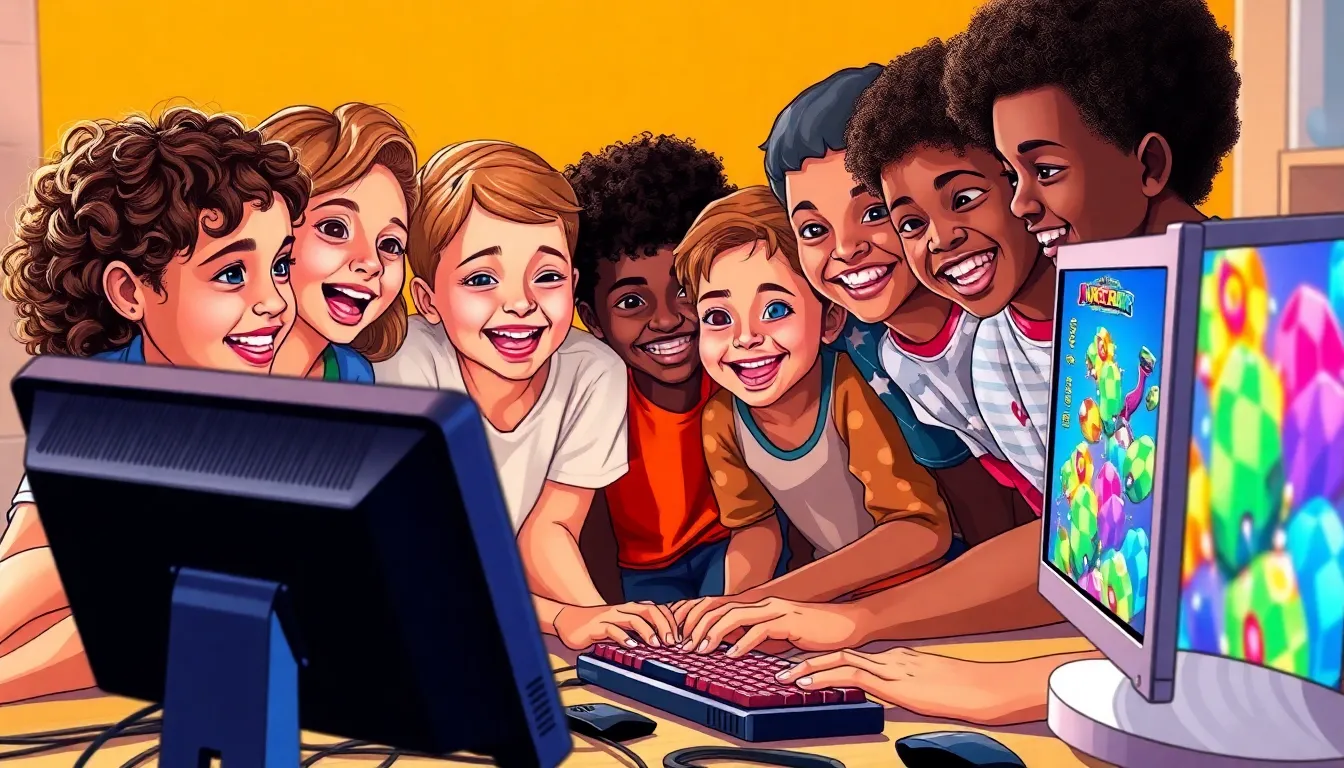
In a world where kids are glued to screens, finding the right PC games can be a game-changer—literally. Parents often worry about the content their kids consume, but fear not! There’s a treasure trove of fun, educational, and downright hilarious games just waiting to be discovered. These aren’t just digital babysitters; they’re gateways to creativity, problem-solving, and even teamwork.
Imagine your child embarking on epic adventures, battling wizards, or solving mysteries—all while learning valuable skills. With the right PC games, kids can explore vibrant worlds that spark their imagination and keep them engaged. So buckle up and get ready to dive into a list of the best PC games for kids that promise to entertain and educate in equal measure. After all, who said learning can’t be fun?
PC games offer various benefits, supporting children’s growth and learning in multiple ways. Many parents appreciate these advantages as they seek suitable options for their kids.
Cognitive Development
Cognitive development receives a significant boost from engaging in PC games. These games challenge critical thinking and enhance problem-solving skills. Players often encounter puzzles that require strategic planning, which strengthens their reasoning abilities. Furthermore, many games involve resource management, sharpening kids’ planning and decision-making skills. Children learn to assess situations quickly and adapt strategies based on results. Enhancing memory retention occurs as players navigate complex game narratives and track in-game objectives. Ultimately, these experiences contribute to a well-rounded cognitive skill set.
Social Skills Enhancement
PC games also heighten social skills in children. Online multiplayer games encourage teamwork as players collaborate to achieve common goals. Communication becomes key in these scenarios, helping kids develop essential interpersonal skills. Additionally, sharing experiences with friends fosters a sense of belonging. Children learn to respect diverse perspectives while interacting with peers in the gaming community. Engaging in cooperative strategies often requires negotiation and compromise. As a result, these social dynamics support emotional intelligence and empathy, benefiting kids beyond the screen.
Popular PC Games For Kids
Finding engaging PC games that capture children’s interest is crucial. Various genres offer exciting opportunities for learning and fun.
Action-Adventure Games
Action-adventure games captivate young players with immersive storytelling and engaging gameplay. Titles like “Minecraft” allow exploration and creativity, enabling kids to build their worlds. “Rogue Heroes: Ruins of Tasos” introduces cooperative gameplay, where players embark on quests together. These games enhance critical thinking through challenges and puzzles. Critical skills develop as players navigate different environments and overcome obstacles. Action-packed sequences keep children entertained while promoting teamwork.
Educational Games
Educational games blend learning and fun seamlessly. “Osmo – Genius Starter Kit” encourages kids to engage with physical components linked to digital gameplay, enhancing problem-solving skills. “Prodigy Math” offers math challenges in a fantasy adventure format, allowing children to practice arithmetic while battling mischievous creatures. Through interactive gameplay, players absorb knowledge without realizing it. These experiences reinforce essential concepts while maintaining a high level of enjoyment.
Creative Games
Creative games stimulate imagination and artistic expression. “Roblox” provides a platform for designing games and experiences, allowing kids to share their creations with others. “Terraria” encourages exploration and resource gathering, where players craft their items within a 2D environment. Engaging with these games lets children experiment and learn about game mechanics. Each title fosters innovative thinking and promotes creativity while encouraging collaboration on user-generated content.
Parental Controls And Safety Measures
Parental controls play a vital role in ensuring a safe gaming experience for kids. These tools allow parents to monitor and manage their children’s gameplay effectively, providing peace of mind.
Monitoring Gameplay
Monitoring gameplay involves tracking game content and interactions. Parents can utilize built-in features in gaming platforms like Steam or Windows to view playtime and the types of games accessed. Using parental control software, they can receive activity reports on gameplay patterns. Checking communication features within games helps ensure children engage positively with other players. This practice helps parents identify any inappropriate content and facilitates discussions about online safety.
Setting Time Limits
Setting time limits encourages balanced screen time for children. Parents can establish specific gaming schedules to ensure kids enjoy their favorite games without excessive play. Many gaming platforms offer options to set daily limits, allowing automatic shutdown when time is up. Discussing these limits with children fosters understanding and encourages them to prioritize other activities, such as homework or outdoor play. Balancing gameplay with other responsibilities promotes healthy habits and prevents gaming addiction.
Choosing The Right Game For Your Child
Selecting the right PC game is crucial in ensuring a positive gaming experience. Parents should consider several factors to guide their choices.
Age-Appropriate Games
Choosing games that match a child’s age ensures content suitability. Recommended games often feature ratings from organizations like ESRB, which classify games based on age appropriateness. For example, “LEGO” games cater to younger audiences with family-friendly themes. Meanwhile, titles like “Fortnite” offer engaging gameplay but may not be suitable for all ages due to violence. Games designed for children typically promote problem-solving and teamwork. Engaging with age-appropriate content helps enhance cognitive skills while remaining safe and enjoyable.
Interest-Based Selections
Aligning game choices with a child’s interests fosters engagement and enthusiasm. Children fascinated by building might enjoy “Minecraft,” while those drawn to adventure could find joy in “Rogue Heroes: Ruins of Tasos.” Additionally, factoring in interests encourages deeper gameplay and learning experiences. Explore educational titles like “Prodigy Math” designed for math enthusiasts. Another option includes creative games like “Roblox,” appealing to kids interested in user-generated content. Tailoring selections to a child’s unique passions enhances enjoyment and promotes overall development.
Conclusion
Choosing the right PC games for kids can make a significant difference in their development. By selecting games that are both entertaining and educational, parents can help their children build important skills while having fun. The blend of creativity, problem-solving, and teamwork found in many popular titles ensures that gaming can be a productive part of a child’s routine.
With the right guidance and safety measures in place, gaming can provide enriching experiences that foster growth. By aligning game choices with a child’s interests and ensuring age-appropriate content, parents can create a balanced gaming environment that nurtures both enjoyment and learning. Embracing this approach allows children to thrive in a digital world while developing essential life skills.

 In a world where kids are glued to screens, finding the right PC games can be a game-changer—literally. Parents often worry about the content their kids consume, but fear not! There’s a treasure trove of fun, educational, and downright hilarious games just waiting to be discovered. These aren’t just digital babysitters; they’re gateways to creativity, problem-solving, and even teamwork.
Imagine your child embarking on epic adventures, battling wizards, or solving mysteries—all while learning valuable skills. With the right PC games, kids can explore vibrant worlds that spark their imagination and keep them engaged. So buckle up and get ready to dive into a list of the best PC games for kids that promise to entertain and educate in equal measure. After all, who said learning can’t be fun?
In a world where kids are glued to screens, finding the right PC games can be a game-changer—literally. Parents often worry about the content their kids consume, but fear not! There’s a treasure trove of fun, educational, and downright hilarious games just waiting to be discovered. These aren’t just digital babysitters; they’re gateways to creativity, problem-solving, and even teamwork.
Imagine your child embarking on epic adventures, battling wizards, or solving mysteries—all while learning valuable skills. With the right PC games, kids can explore vibrant worlds that spark their imagination and keep them engaged. So buckle up and get ready to dive into a list of the best PC games for kids that promise to entertain and educate in equal measure. After all, who said learning can’t be fun?