Typing in Polish on a standard QWERTY keyboard isn’t just about producing text — it’s about surviving a digital puzzle where one wrong keystroke can destroy a perfect sentence. Every Polish typist knows the silent battles fought daily: incompatible shortcuts, lost ogonki, and the eternal war with autocorrect. But behind the frustration lies a quiet mastery — one that only comes from years of typing through chaos.
1. The Alt+Ogonki Lottery: When Polish Diacritics Depend on Luck
Alt + [letter] should, in theory, produce the perfect ą, ę, or ń. Yet reality often disagrees. Windows and macOS handle extended characters differently; external keyboards and remote desktops add lag, causing shortcut failures. Polish typists rely on Programmers’ layout or remapping, but lose control when remote or using borrowed devices. Much like finding your lucky combination in kasyno nv online, Polish typists never know if their shortcut setup will pay off or spin out of control.
Most common Alt+ogonek pitfalls and workarounds:
| Key Combo | Desired Output | Common Error | How to Fix It |
| Alt + a | ą | à or ä | Check language input settings (Windows: ENG→POL) |
| Alt + e | ę | € | Disable keyboard region shortcuts in OS |
| Alt + s | ś | Slash or symbol | Use right Alt (AltGr), not left Alt |
| Alt + n | ń | No output | Add “Polski (programisty)” layout manually |
Modern hybrid keyboards often default to English, forcing Polish typists to toggle. Check hardware language and regional input shortcuts before writing.
2. The Hide-and-Seek Game: Where Exactly Are ź and ń?
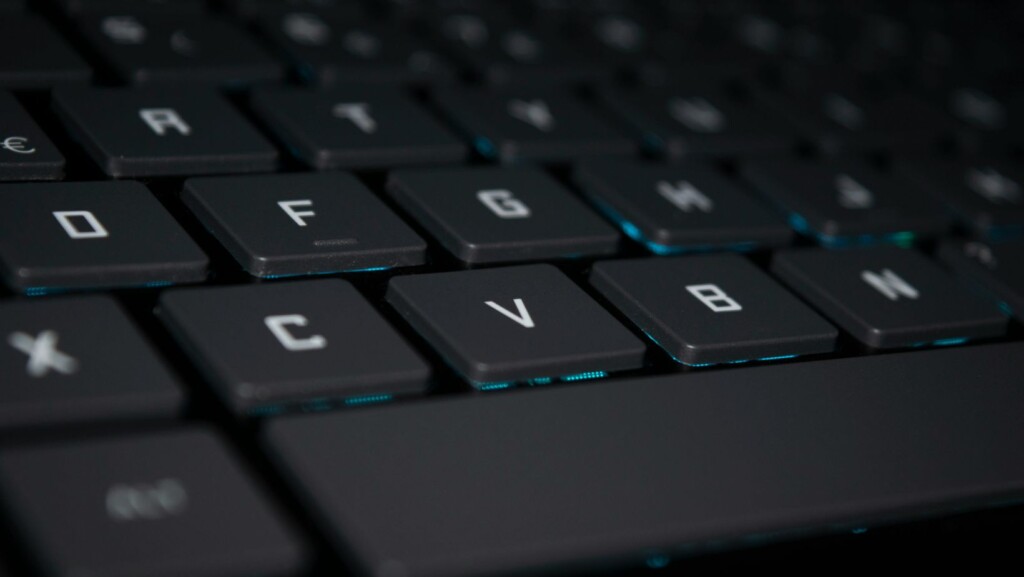
Polish letters like ź, ń, and ż sit in uncommon keyboard positions and often share keys with other functions or accents on multilingual systems, causing confusion. Most users can’t locate them on a new laptop. The real issue is muscle memory: layout changes disrupt ingrained typing rhythms.
Typical coping mechanisms among Polish QWERTY users:
- Memorizing invisible keystroke maps.
- Using copy-paste “diacritic reserves” kept in notepad files.
- Installing Polish keyboard stickers for visual aid.
- Mapping custom shortcuts to capslock or unused keys.
Polish creatives and typists build hybrid keyboard habits, blending Polish/UK layouts and app shortcuts, so each device becomes a linguistic puzzle.
3. The Presentation Panic: When You Need ę and ł in Public
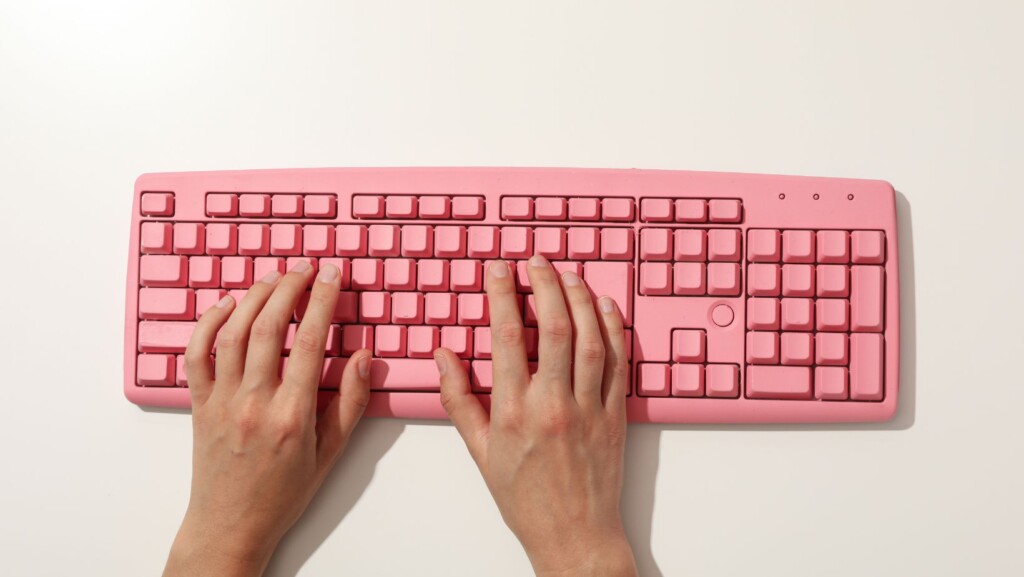
Few moments induce more anxiety than typing Polish live on a foreign laptop — especially in front of an audience. Suddenly, none of your usual shortcuts work, and accented characters vanish. Instead of łącznie, you type lacznie, then lạcznie, then give up entirely. This isn’t just about technical inconvenience — it’s about professional image.
Missing diacritics can make Polish text look careless or even change meaning (kolo vs koło). The quick survival instinct feels a lot like picking the right feature round in https://nvcasino-pl.pl/pl/category/buy-feature: you rely on luck and speed before the moment passes.
Crisis checklist for working on unfamiliar keyboards:
| Scenario | Problem | Quick Fix |
| MacBook with US layout | Missing right Alt | Add Polish (Pro) and set AltGr key in Preferences |
| Windows laptop in ENG mode | No Polish input | Press Shift + Alt to toggle input languages |
| Slide editing abroad | Fonts incompatible with ą/ę | Switch to Unicode fonts (Arial, Calibri, Noto Sans) |
| Shared workstation | Autocorrect switched to French | Reset regional format and disable predictive text |
Seasoned expatriates and bilingual professionals keep portable keyboard profiles in the cloud or use browser extensions that insert Polish accents via hotkeys. It’s a tiny adjustment that can save an otherwise awkward moment onstage.
4. The War of Autocorrect: When AI Thinks It Knows Better
Autocorrect rarely respects Polish subtleties. It tries to “fix” żółw into zool, są into son, and ćwiczyć into civic. Each wrong correction disrupts focus, especially in bilingual contexts like emailing or messaging where half the text switches language mid-sentence. The best defense isn’t disabling autocorrect, but training it. In Word and Google Docs, tag paragraphs by language (for example, “Polish”) to greatly reduce false corrections.
Words most often mangled by autocorrect — and what to do:
| Original Word | Auto-Corrected To | Why It Happens | Solution |
| żółw | zool | AI assumes English context | Add to dictionary manually |
| śpię | spine | Accent removed, substitute English | Train predictive text |
| łódź | loud | Missed special character | Use Unicode shortcut Alt+322 |
| się | side | Layout confusion | Disable auto language detection |
| są | son | English autocorrect dominance | Clear language cache in Office/Docs |
Polish users working in global environments often use hybrid typing assistants — Grammarly combined with LanguageTool or Deepl Write — configured to respect diacritics. This small setup drastically improves accuracy without abandoning automation.
5. The Hidden Skillset: Polish QWERTY Users as Unofficial Tech Experts
Years of typing in imperfect conditions turns users into power typists. They master mappings, Unicode, toggles, and layout conflicts. Beginners see typing as communication; veterans see it as system optimization.
Hallmarks of an expert Polish typist:
- Uses 2–3 layouts interchangeably.
- Remaps Caps Lock or Ctrl to AltGr equivalents.
- Knows Unicode numbers for all diacritics.
- Keeps Polish fonts synced across platforms.
- Types flawlessly on both physical and software keyboards.
As global collaboration increases, this multilingual dexterity becomes a real professional advantage. Polish users accustomed to adaptive layouts navigate international workflows faster and with greater precision — a small linguistic skill turned into digital efficiency.