
Sometimes I want to understand what exactly makes gaming culture in Europe so diverse. Young players don’t limit themselves to a single genre or platform: they play just as actively on consoles, PCs, and mobile devices. The European audience enjoys competition, yet still values story and atmosphere. All of this creates a unique mix of tastes that differs noticeably from American or Asian preferences. And the more closely I look at current trends, the clearer it becomes that European gaming is a blend of practicality, creativity, and social interaction.
Popularity of Multiplayer and Competitive Games
Interest in multiplayer games among European youth remains consistently high, and this is noticeable across nearly every country in the region. Games built around competition or team interaction fit the lifestyle of young players perfectly: short matches, frequent updates, in-game events, seasonal content, and tournaments help keep attention high. Fortnite, Valorant, Apex Legends, Rocket League, and even smaller arena titles like Brawlhalla remain part of everyday leisure, where it’s important not only to win but also to socialize, share moments, and follow trends.
A culture of “quick sessions” is actively forming in Europe. Players appreciate being able to log in for 20–30 minutes, play a match, and move on with their day. This is why shooters and arena games keep rising in popularity – their fast-paced format fits smoothly into the schedules of students and young professionals. In social media discussions I’ve come across links to fresh articles and analytical breakdowns, including today gaming news, where young players shared opinions on new weapons, map changes, or balance adjustments. These conversations show how eager European players are to stay updated and understand how new patches affect the meta.
Another reason competitive games remain so popular is the social aspect. Even short matches create a sense of shared experience: team victories, collective mistakes, funny incidents, and highlight moments. For many, these games become a way to stay connected after school or work. The European audience values games that create a sense of belonging – whether it’s climbing the Valorant ranked ladder, dropping into a Fortnite battle royale, or playing daily Rocket League matches. And this is exactly why competitive projects continue to hold leading positions among young players.
Growth of Interest in Indie and Atmospheric Games
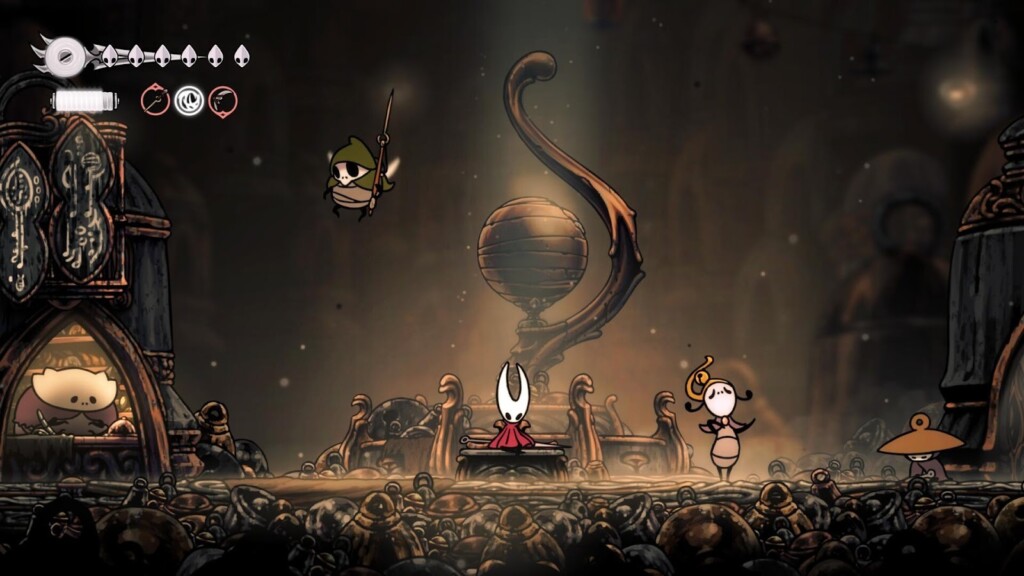
The rising popularity of indie games in Europe is far from accidental: young players are tired of formulaic blockbusters and increasingly look for projects with emotional depth, artistic style, and a strong author’s vision. Here, ideas and atmosphere matter more than scale or graphics. That’s why titles like Hades, Hollow Knight Silksong, Dead Cells, and Ori and the Will of the Wisps have become almost iconic among European players – they’re approachable, meaningful, and offer an experience that feels more personal than mainstream releases.
This trend is easy to notice in community discussions, where players focus on artistic direction and unique storytelling. I’ve come across conversations referencing analyses from egw.news, comparing the rising popularity of narrative-driven indie games among European youth to global trends. Smaller studios often take more creative risks, exploring unconventional themes or experimental mechanics. The European audience, which values individuality and creativity, responds to this especially strongly.
Another important factor is that indie games deliver a different emotional experience. When players want something intimate, atmospheric, or reflective, they turn to the indie scene. Games like Inside, Celeste, or Gris leave an impression comparable to watching an auteur film or reading a meaningful short story. Because of this, interest in indie games continues to grow – not as a passing trend, but as a cultural hallmark of the younger European generation.
The European Audience Loves Games With a Strong Social Component
In Europe, games have long become a natural part of everyday communication. Young players use them not only for story or gameplay, but also as a convenient space to meet friends – especially when everyone lives in different cities or studies on different schedules. Progress isn’t the priority here; the key is simply being together. That’s why social games like Minecraft, Roblox, Genshin Impact, and Guild Wars 2 remain consistently popular: they offer a shared world where players can build, explore, and discuss things as they happen.
Multiplayer RPGs such as Final Fantasy XIV reflect this European gaming culture even more clearly. Players join companies and guilds, tackle dungeons, complete quests, or take part in seasonal events – all of this creates a sense of belonging that’s difficult to achieve in single-player games. Even those who normally avoid social interaction say that within such environments, communication becomes easier because it revolves around shared goals and collective experience.
Smaller co-op titles are viewed in a similar way – they’re not just games, but a format of spending time together. It Takes Two, Phasmophobia, Stardew Valley in co-op, or Raft often become an alternative to a movie night or a casual meetup. The complexity of the game matters far less than the ability to share emotions, laugh together, and feel supported. This is why the social aspect of gaming in Europe is so strong: here, games are an extension of communication rather than just a hobby.
Europe Actively Supports the Educational and Creative Potential of Games
In Europe, games have long since stopped being just entertainment – for many young people, they’ve become an entry point into creativity. More and more players are creating their first projects using Game Maker, Unity, Blender, or even built-in editors. Their inspirations vary widely: the minimalism of Undertale, the coziness of Stardew Valley, the charm of classic Nintendo platformers. What often starts as simple curiosity quickly grows into a full-fledged hobby and the first steps toward a profession.
The educational system also adapts to these interests. Courses in game design, modeling, animation, and game development are appearing in schools, colleges, and universities across Europe. Students participate in hackathons and game jams, learn teamwork, and gain hands-on experience building actual prototypes. In some countries, government programs provide support as well – grants, funds, and incubators help young creators start their journey.
Gaming culture has become a part of creative development. Young Europeans see games as a tool for expressing ideas and as a potential professional path, whether in programming, design, visual arts, or narrative. Games are no longer just a hobby – they are turning into a cultural reference point that shapes interests and career directions.
Summary
Gaming culture among European youth continues to evolve in many directions: from shooters and esports to indie hits and cooperative experiences. One thing remains constant – games have become a part of communication, self-expression, and inspiration. And as the variety of genres grows, it becomes even more fascinating to watch how new generations integrate games into their everyday lives and creative pursuits.