
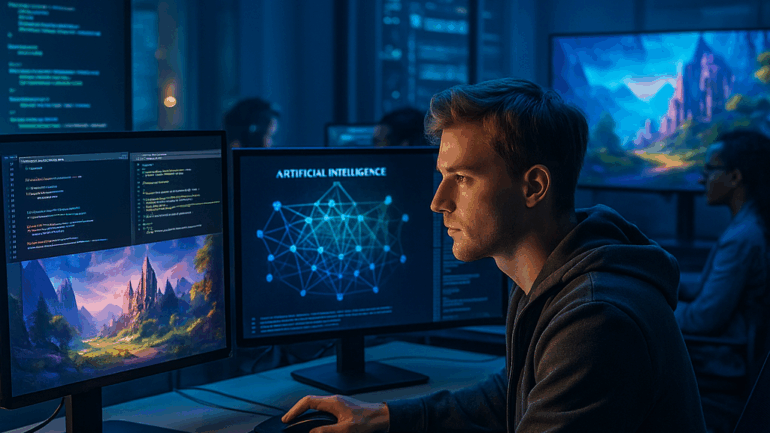
As a game designer or enthusiast, you’re likely already aware that artificial intelligence is becoming an integral part of how games are made, experienced, and evolved. Over the next few years, the future of game development will shift even more dramatically, driven by innovations in AI, automation, and procedural creativity. Whether you’re building immersive adventure games, planning video game tournaments, or designing cutting-edge gaming accessories, AI will shape your creative toolkit in unexpected ways.
From procedural level generation to real-time user behavior analysis, artificial intelligence is helping you streamline tasks that once took entire teams weeks or months to complete. It’s not only reducing development time but also expanding the scope of what’s creatively possible.
Among the most notable changes is the introduction of tools like an AI art generator, which allows you to create concept art, textures, and in-game assets with remarkable speed and variety. These tools are changing how you think about visual storytelling, character development, and environment design.
Recognizing AI’s Role in Game Design
To appreciate the influence of AI, you first need to understand how it integrates across multiple layers of game design. AI is no longer just powering enemy behavior or non-playable character (NPC) decisions. It’s now helping you automate storylines, generate entire environments, and analyze player decisions for more dynamic and responsive gameplay.
For example, in adventure games, AI can learn how players behave and adapt the world around them to deliver personalized challenges. It can adjust the narrative flow, create plot twists on the fly, or alter mission objectives in real time. This makes your game not just reactive but also immersive on a whole new level.
Procedural Generation and Adaptive Gameplay
A major trend you’ll encounter is procedural generation, an AI-driven process where elements like terrain, buildings, or even quests are created algorithmically rather than manually. This is especially helpful for creating large, open-world environments with minimal resources. When you apply this technique to multiplayer or tournament-based formats, it enables endless gameplay scenarios that keep users engaged.
AI also plays a key role in adaptive gameplay. By monitoring user behavior in real-time, AI systems can scale difficulty levels, suggest in-game actions, or even fine-tune tutorials based on your experience level. This creates a more personalized gaming experience, encouraging longer engagement and deeper player satisfaction.
Art Creation with Generative AI
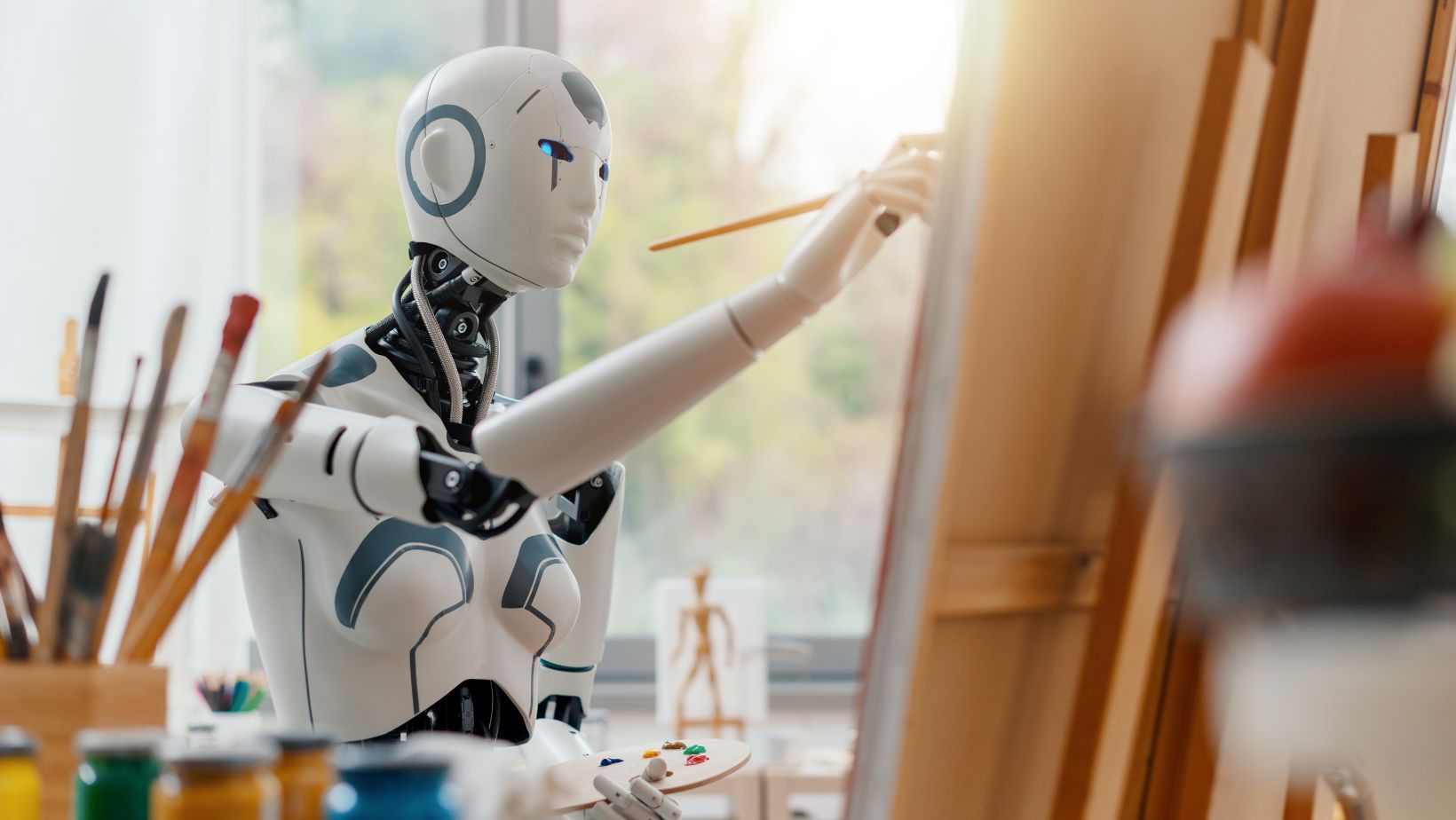
Visual storytelling is an essential part of game design, and AI is now enabling you to generate high-quality art faster than ever. With platforms like invideo AI, you can integrate an AI art generator into your workflow to create concept designs, textures, and animations based on prompts or design parameters. This not only enhances efficiency but also gives you the freedom to experiment with more artistic directions early in development.
Generative AI art can be especially valuable when you’re building diverse game worlds. Instead of spending hours sketching and modeling new environments manually, you can feed an idea or theme into the generator and get multiple variations to choose from. This accelerates brainstorming and brings flexibility to your creative process. Because of its versatility, the AI art generator has become a favored tool among indie developers and large studios alike, particularly for designing game assets that require quick iteration and visual consistency.
You can also use this technology to match aesthetic themes across different gameplay elements, ensuring your character design, backgrounds, and UI elements align visually. These applications make AI art tools a strategic asset during early development stages, especially for adventure games and online tournaments where unique, engaging environments matter.
If you’re working on marketing or user engagement content alongside your game development, pairing voiceovers and visual assets through a video AI app can simplify your promotional workflow. These apps allow you to create social clips, trailers, and walkthroughs that highlight key features of your game in a streamlined, consistent format.
Enhancing Game Testing and Analytics
Another emerging application is AI-assisted game testing. As a developer, you know how time-consuming quality assurance can be. AI can simulate user behavior to identify bugs, balance issues, and optimization bottlenecks much faster than manual playtesting. Shorter development cycles and more polished game launches result from this.
Beyond testing, AI-driven analytics help you understand how players interact with your game in real time. You can monitor which missions are too difficult, which parts of the map players avoid, or how often they use specific gaming accessories. This data enables you to make informed design choices and introduce updates that align with player expectations.
Voice Interaction and Realism
As natural language processing improves, voice interaction is another area you’ll want to explore. AI-generated voiceovers can bring non-playable characters to life without relying heavily on voice actors. This is particularly useful for indie developers working with limited budgets. Coupled with dynamic dialogue systems, you can craft storylines that respond to player choices with depth and realism.
Imagine launching an adventure game where the NPCs remember your decisions and speak to you in a tone or style influenced by your past actions. This level of immersion enhances the narrative and keeps players invested in your game world.
The Road Ahead: Preparing for What’s Next
Looking forward, AI will continue to evolve as a co-creator in the game development process. Tools will become more intuitive, enabling even non-technical creators to contribute meaningfully to game design. You’ll likely see greater integration between AI and cloud platforms, allowing for more collaborative and scalable workflows.
You may also encounter AI systems that not only assist with design but also offer real-time feedback, design suggestions, and automated revisions. This will allow you to test multiple creative directions simultaneously, giving you the freedom to iterate quickly while maintaining quality.
Moreover, expect further advancements in cross-platform compatibility, where AI-generated assets can automatically adjust resolution, style, or animation quality based on the platform, be it console, mobile, or VR. This ensures that the player experience remains consistent, regardless of the device they use.
Final Thoughts
As you explore the future of game design, embracing AI technologies will become increasingly important. From concept art to in-game behavior and adaptive storytelling, AI is helping you push boundaries and build more engaging, scalable experiences. Tools like the AI art generator empower you to visualize ideas quickly, while platforms like invideo AI simplify how you bring these ideas to life across different formats.
When you combine AI-driven creativity with player-centric design, you create games that not only look stunning but also respond intelligently to how people play. Whether you’re developing adventure games, organizing video game tournaments, or innovating gaming accessories, integrating AI will allow you to meet rising user expectations and remain competitive in an evolving industry.
The coming years promise rapid growth and exciting opportunities. Now is the perfect time to understand the tools at your disposal and experiment with how they can elevate your creative process.