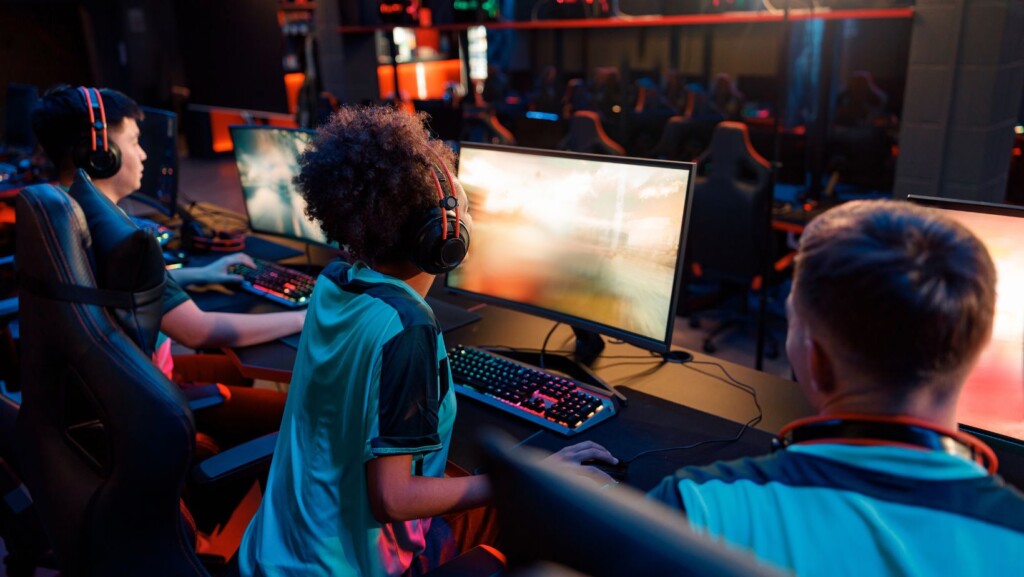
Live streaming has changed how people experience games. It is no longer just about watching someone else play. Today’s audiences expect to interact, react, and influence what happens on screen in real time. Whether it is competitive esports, cooperative play, or live-hosted game formats, the demand is the same. Gameplay must feel immediate, smooth, and responsive, with no sense of delay breaking immersion.
For gaming enthusiasts, this shift has raised expectations across the board. Lag, buffering, or awkward camera cuts quickly pull viewers out of the moment. What makes immersive live streaming work is not magic. It is a combination of carefully engineered technologies designed to make digital interaction feel natural and continuous.
The Technology Behind Real-Time Interaction
At the heart of immersive live streaming is low latency. Reducing the delay between action and response is what allows viewers and players to feel present rather than passive. Modern streaming platforms rely on protocols that prioritize speed over heavy compression, allowing video and audio to travel faster with minimal quality loss.
Multi-camera HD setups are another key element. Instead of a single static feed, live gaming sessions often switch between angles dynamically. This could mean cutting from a wide gameplay view to a close-up of a player's reaction or a dealer’s hands in card-based games. The smooth coordination of these feeds creates a broadcast that feels polished without interrupting flow.
Real-time interaction also depends on synchronized data layers. Viewer inputs, chat reactions, and in-game decisions must align precisely with the video feed. This is especially noticeable in formats where timing matters, such as competitive matches or live dealer environments similar to live blackjack ontario, where players expect actions to register instantly. Even small delays can affect trust and enjoyment.
Why Gamers Care About Fluid Live Experiences
Gamers are used to control. In traditional gameplay, every input produces an immediate result. When watching or participating in a live stream, they expect the same level of responsiveness. A stream that feels sluggish quickly loses credibility, no matter how good the content is.
This is why interactive features have become central to live gaming. Polls, real-time decisions, chat-triggered events, and viewer-driven outcomes all rely on low-latency foundations. Without them, interaction becomes cosmetic rather than meaningful.
Audio also matters more than many realize. Clear, synchronized sound reinforces realism. Whether it is in-game effects, voice chat, or commentary, audio delays are often more noticeable than video lag. Modern platforms invest heavily in audio processing to keep everything aligned.
Building Seamless Live Entertainment Platforms
The future of immersive live streaming in gaming depends on integration. Video, audio, user input, and backend logic must work as a single system. This is why many platforms build custom streaming stacks rather than relying solely on generic solutions.
For developers and broadcasters, the goal is simple. Remove friction wherever possible. When technology fades into the background, immersion takes over. Viewers stop thinking about the stream and start focusing on the experience.
As live gaming continues to evolve, the technical foundations behind it will matter just as much as the games themselves. Low latency, multi-camera production, and real-time interaction are no longer extras. They are the baseline for immersive live entertainment that feels alive rather than observed.