
The conversation around casino online república Dominicana is becoming more interesting for one simple reason: players are no longer satisfied with generic digital experiences. They want platforms, communities, and content that reflect how they actually play, what devices they use, and which trends matter in their region. That shift is changing the way people discover games, talk about new releases, and build long-term habits around digital entertainment. Gaming today is not just about the title on the screen. It is about the wider ecosystem that surrounds it.
Gaming Is Becoming More Personal
For a long time, gaming culture was treated as a global space with the same trends moving in the same direction everywhere. In reality, that has never been completely true. Different markets respond to different styles of play. In some places, competitive multiplayer dominates. In others, casual mobile titles, social gaming, retro experiences, or console-first habits shape the conversation more strongly. What is changing now is that these local preferences are easier to see.
Players are sharing recommendations faster, building niche communities around genres they love, and paying more attention to gaming content that feels relevant to their daily experience. They want practical insight, not recycled hype. They want to know what is worth trying, what setup improvements make a difference, and which genres fit their pace of life. That is why gaming media with a broader editorial lens continues to matter. It gives context, not just noise.
Why Regional Trends Matter More Than Before
The gaming industry still runs on global launches and major franchises, but audience behavior is becoming more local in visible ways. Access to devices, internet habits, language preferences, and content formats all influence what becomes popular. A title that explodes in one country may create only moderate interest elsewhere. A feature that feels essential to one player base might barely register with another.
This matters because local gaming culture affects more than just what people play. It influences how they search, what kind of articles they trust, and which gaming topics keep their attention. Readers are more likely to engage with content that understands their perspective instead of treating them as part of one giant, identical audience. That is one reason gaming-focused platforms continue to expand their coverage beyond standard reviews. The strongest content now connects games to lifestyle, technology, comfort, identity, and everyday digital habits.
Setups, Gear, and the Experience Around Play
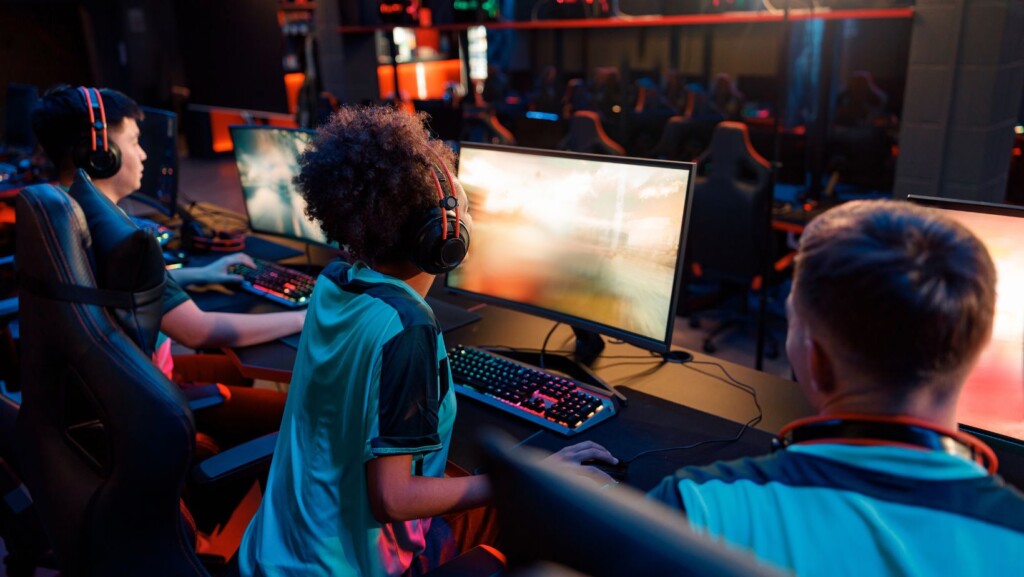
Modern gaming culture is no longer limited to software alone. Hardware and environment now shape the experience just as much. A player’s monitor, controller, headset, desk layout, lighting, and even seating choice can change how enjoyable a session feels. That does not mean every gamer is chasing an expensive premium setup. In many cases, the real priority is efficiency: getting more comfort, more immersion, and more consistency out of the equipment already available.
This is why gaming content about practical upgrades performs so well. People want advice that helps them improve their experience without wasting money. They want to know whether a piece of gear solves a real problem or just looks impressive in product photos. They care about durability, ease of use, compatibility, and whether something fits their actual habits. A keyboard matters differently to a competitive PC player than it does to someone who mainly enjoys relaxed weekend sessions. A controller upgrade means something different to a console fan than to a person moving between multiple platforms.
That wider interest in the full gaming environment has made digital entertainment feel more mature. It is no longer only about chasing the newest title. It is about building a system that fits the player.
Community Now Drives Discovery

One of the biggest changes in gaming is how discovery works. Players are overwhelmed with options. New releases, live-service updates, downloadable expansions, remastered classics, indie experiments, and trending multiplayer titles all compete for attention at the same time. Because of that, people rely more heavily on community signals than they used to.
They look at what other players are discussing. They pay attention to creators who explain why a game is worth time rather than simply announcing that it exists. They search for articles that compare styles, expectations, and practical entry points. Discovery now depends less on marketing volume and more on relevance. A game stands out when players can immediately understand who it is for, how it feels, and whether it offers something distinct.
This is where editorial gaming websites still have a major role. Short videos can generate interest, but strong written content helps players think. It connects patterns, explains shifts, and gives readers a reason to stay engaged longer. When a site covers gaming as culture rather than just as product news, it becomes more valuable.
The Future of Digital Entertainment Feels More Grounded
Gaming is often discussed as a fast-moving industry obsessed with scale, technology, and constant updates. Yet its future may depend just as much on something more grounded: relevance. Players want entertainment that fits their lives, not content built around vague mass appeal. They want platforms and articles that understand how they play, why they play, and what makes the experience worth returning to.
That is why local gaming culture matters more each year. It adds texture to the digital world. It creates smarter conversations, more useful recommendations, and stronger connections between players and the content they consume. As gaming continues to evolve, the communities that shape it from the ground up will become just as important as the companies that publish the games themselves.