Blockchain is no longer a novelty and is widely used in the digital economy and gaming industries. The field has gone through a wave of enthusiasm and disappointment and is gradually transitioning to practical models, functioning as a tool rather than an end in itself. Despite the decline in popularity of play-to-earn projects, developers are still testing new ways to integrate transparent economies, digital ownership, and secure in-game transactions. In this article, we will discuss how blockchain is affecting the gaming industry today, what the prospects are for these technologies, and what benefits they can bring.
The shift from play-to-earn to sustainable game economies
Most play-to-earn video games focused not on gameplay, but on trying to create a profitable financial model, which did not inspire much confidence among players. Instead of quality products, the market received dozens of speculative tokens that depreciated within a few months. As a result, players lost interest in the concept, and the number of such projects decreased significantly.
Today, blockchain project developers are focusing on real gameplay, game cycles, and interesting content. At the same time, the main element of these systems is digital property, skins, collectible items, etc. The approach to monetisation has also changed, with models featuring fixed assets or systems where blockchain acts as a backend replacing mandatory tokens.
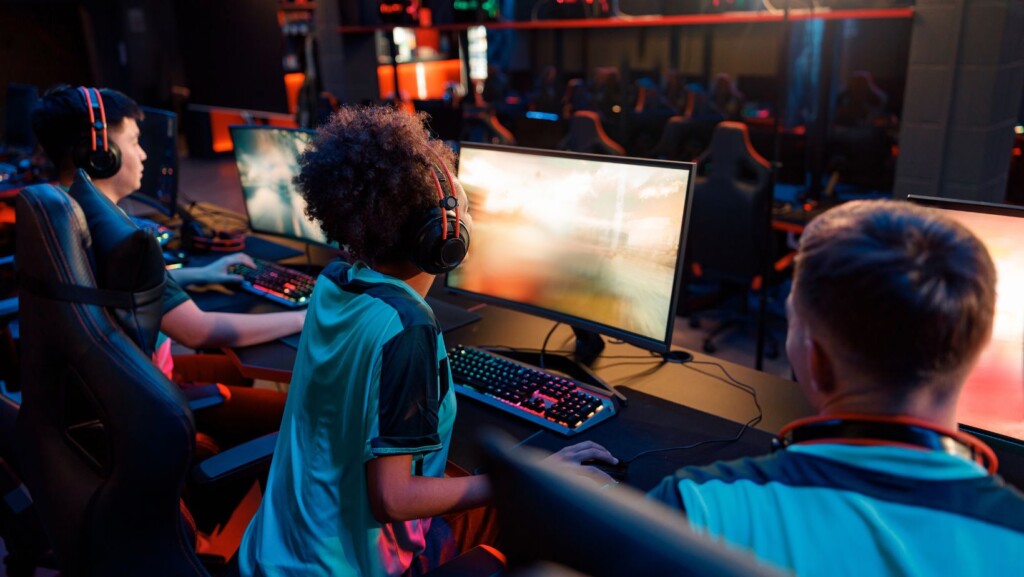
Developers are also trying to create projects in various genres, including competitive video games. From mobile games to esports disciplines, including tournaments such as cs 2 major, competitive projects with blockchain are becoming a new trend and setting the pace for innovation. They also demonstrate how a stable gaming economy can function without artificial support from tokens. This approach helps to understand which systems really have potential and whether blockchain can become the basis for future gaming infrastructures.
Blockchain as infrastructure: transparency, ownership and interoperability
The key value of blockchain in gaming is not earnings, but infrastructure. Players gain new technical abilities to prove ownership of a digital item. In conventional video games, all skins and items are formally owned by the company, and accounts can be blocked or transferred to new conditions without the consent of the user. Decentralized systems give a different approach, in which the player controls his own digital assets, and the developer only determines how he works within a specific gaming environment.
Transparency is another important aspect. The advantage of blockchains is that it prevents falsifications and manipulations in in-game markets, which increases data privacy. In large MMORPGs and collectible games, this allows you to reduce the number of fraudulent schemes and make the game more honest.
Although blockchain is a complex technical element, some studios are already testing this technology in new projects. In the coming years, these mechanics may change the approach to user value, and an accessory purchased in one game could potentially be used in another, which would increase market globalisation. This is one area where blockchain can offer real innovation to the industry without excessive risk to players.
Security enhancements and fraud prevention powered by blockchain
Security is one of the main issues in game development. Even on large platforms, there is a risk that accounts can be hacked, and millions of players encounter counterfeit items, fake marketplaces, and refund scams. Blockchain reduces the severity of these problems, as each transaction is irreversible and recorded in a public registry. In addition, it is virtually impossible to forge the necessary documents in this industry.
Furthermore, decentralised tools open the way to new authorisation models. Instead of traditional logins and passwords, players can use cryptographic keys. This prevents access from being intercepted via phishing sites or stolen databases. This is also a plus for developers, as it means lower security infrastructure maintenance costs.
This benefit can be especially noticeable in the e-sports ecosystem. Data security in eSports is a very important component, so the absence of fakes and transparency of the history of items will positively affect the development of the industry. In the future, many game studios may switch to hybrid models, where bidding, proof of ownership, the history of seasonal awards – take place on the blockchain, while the gameplay and general elements remain centralized. This will combine the strengths of both technologies and create a high-quality and reliable project.
The next wave: hybrid models, on-chain logic and new creator ecosystems
The next stage in the development of blockchain in games is associated with combined systems. Developers create projects in which part of the game logic works on the blockchain, and the other – in the usual backend. This makes it possible to complicate the mechanics without increasing the technical requirements. For example, the player can perform actions in the game that are automatically recorded in smart contracts, such as taking part in seasonal events, creating items or gaining unique achievements.
Blockchain also allows modders, artists, designers, and musicians to sell their work as tokenised assets. Content creators can receive royalties and control the distribution of their content, paving the way for a new UGC economy. Some projects already have systems in place that distribute profits automatically, without intermediaries, making the gaming market more fair and economically viable.
As more and more innovations emerge, the gaming industry has a chance to create a new model of development. For users, blockchain means less dependence on centralised platforms, and for studios, it means the ability to create large-scale economic systems that do not collapse under the pressure of speculative trends.
Conclusion
Putting all the facts together, we can say that blockchain in gaming can be effective. The industry has finally begun to experiment and move away from models where users were merely a source of liquidity. New systems built on blockchain offer real value, transparent economies, digital ownership, secure transactions, and new opportunities for creators. Blockchain games that will appear in the coming years will have more familiar game mechanics and will not be exclusively financial simulators. With the right development, these technologies could become a new trend and influence the development of the gaming industry.