
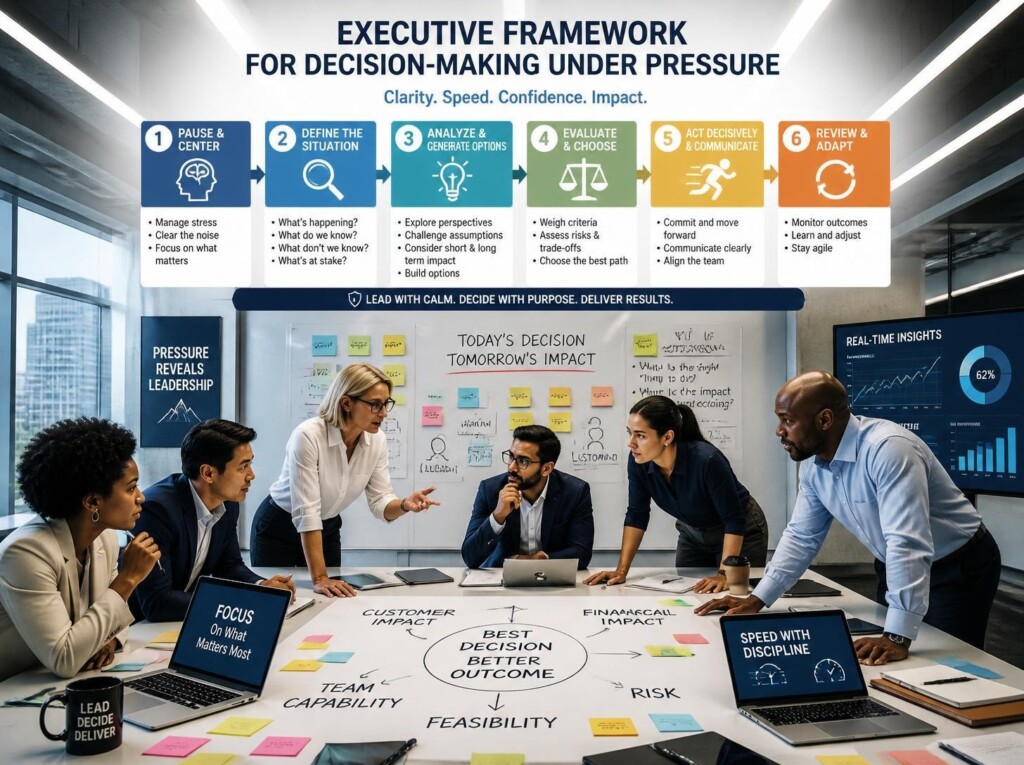
High-pressure decision-making requires overriding the human brain’s natural fight-or-flight response to maintain analytical clarity. When operational stakes are high, cognitive bandwidth narrows rapidly, often leading to impulsive choices driven by cognitive shortcuts rather than statistical probabilities. Elite professionals and algorithmic models alike prioritize structural framing to systematically detach emotional volatility from the execution phase.
Developing profound emotional resilience is critical whether you are navigating volatile financial markets, managing severe corporate crises, or engaging in quantitative entertainment platforms like Ecuabet at https://ecuabet.com.ec/. In such intense environments, prioritizing an analytical, data-driven mindset over psychological impulses dictates long-term utility, risk management, and overall operational success.
The Neurological Impact of High-Stress Scenarios
Under acute physiological arousal, the amygdala actively suppresses prefrontal cortex functions. This biological mechanism directly impairs the exact brain region responsible for logic, objective risk assessment, and working memory. To combat this neurological hijacking, cognitive science requires the implementation of immediate biological and environmental anchors to restore baseline cognitive performance.
Actionable Emotional Regulation Strategies
Implementing a systematic approach to emotional regulation significantly reduces the margin of error in volatile environments. The following strategies facilitate immediate cognitive stabilization:
- Cognitive Reappraisal: Restructuring the physiological perception of a stressful stimulus from a direct “threat” to a strategic “challenge.” Clinical data indicates this mental shift can reduce cortisol spikes by up to 30%.
- Tactical Box Breathing: Utilizing a 4-4-4-4 seconds breathing metric to manually lower the heart rate, stimulate the vagus nerve, and restore prefrontal cortex dominance.
- Psychological Distancing: Analyzing the scenario and advising yourself as if you were a neutral, third-party observer. This linguistic shift diminishes emotional attachment to the immediate outcome.
- Pre-commitment Architectures: Establishing strict, non-negotiable operational rules and risk thresholds before entering the high-pressure environment, thereby bypassing real-time emotional negotiations entirely.
Applied Data in Continuous Risk Assessment
Transitioning from intuitive guessing to algorithmic thinking involves utilizing direct data elements to anchor localized decisions. Focusing on mathematical constants rather than emotional variables requires tracking key metrics:
- Expected Value (EV): Calculating the probabilistic aggregate outcome rather than reacting abruptly to short-term variance or temporary losing streaks.
- Loss Aversion Neutralization: Recognizing and purposely overriding the cognitive bias where the psychological pain of losing registers biologically as twice as intense as the joy of an equivalent gain.
- Asymmetric Risk Profiling: Systematically identifying and executing on scenarios where the calculated potential upside exponentially outweighs strictly defined, hard-capped downside limits.
Frequently Asked Question (FAQ)
What is “Tilt” and how can it be neutralized during critical decisions?
Answer: “Tilt” is a recognized state of acute mental or emotional frustration where an individual abandons logical frameworks to adopt highly suboptimal, aggressive strategies. It typically triggers following an unexpected severe loss, a perceived injustice, or a highly stressful environmental shift. To neutralize tilt, professionals must deploy an immediate circuit breaker protocol—a pre-planned physical or cognitive disengagement from the active environment for a minimum duration of 15 to 30 minutes. This mandatory temporal pause allows autonomic neurochemical equilibrium to reset, effectively stopping a destructive cascade of compensatory, emotionally driven decisions.