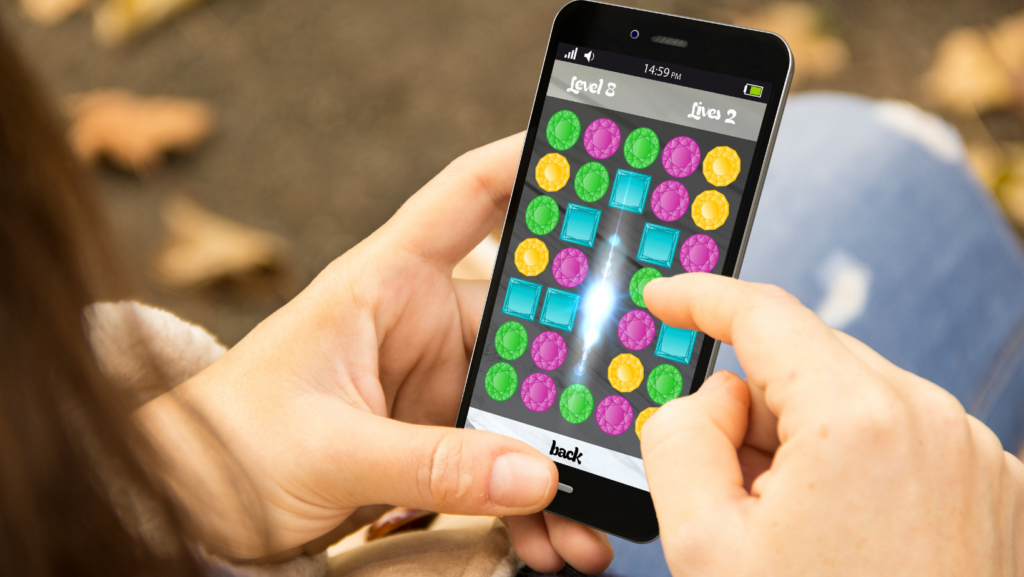
The mobile gaming landscape has never been more competitive, with thousands of titles releasing each year across every genre imaginable. For players in Southeast Asia especially, the range of quality free-to-play options has expanded dramatically, from casual puzzle games to fully-fledged RPGs with deep progression systems. Alongside dedicated gaming apps, entertainment options such as online slots in the Philippines have also grown significantly, reflecting just how central mobile devices have become to everyday leisure. Whether you have five minutes to spare or an entire evening, this guide breaks down the free-to-play mobile games genuinely worth downloading in 2026.
What Makes a Free-to-Play Game Actually Worth Playing?
The free-to-play model has a complicated reputation, and for good reason. Many titles use aggressive monetisation tactics that make meaningful progress almost impossible without spending money. The games worth your time in 2026 are those that treat spending as optional rather than mandatory where a paying player has cosmetic advantages or convenience, but a non-paying player can still experience the full breadth of what the game offers.
With that standard in mind, here are the titles that stand out.
Genshin Impact Still Going Strong
Genshin Impact remains one of the most impressive free-to-play experiences available on mobile. HoYoverse has continued to expand the game's world at a remarkable pace, adding new regions, characters and storylines on a consistent schedule. The core gameplay loop exploring open environments, solving puzzles and fighting elemental enemies is as satisfying as ever.
The gacha system for unlocking new characters is the one area where spending money offers a clear advantage, but the base game is generous enough that patient players can build a strong roster without spending a penny. For sheer production value, few mobile games come close.
Marvel Snap Fast, Strategic and Genuinely Fun
Marvel Snap took the mobile card game genre and stripped it back to something lean and satisfying. Matches last around three minutes, the deck-building is accessible but deep, and the seasonal content keeps the meta feeling fresh. The game has managed to maintain a loyal player base since its launch, and 2026 updates have added new mechanics that reward strategic thinking without overcomplicating the experience.
The monetisation is primarily cosmetic card variants and card backs rather than gameplay-affecting cards which makes it one of the fairer free-to-play models in the genre.
Pokémon GO Evolving With Its Audience
It would be easy to dismiss Pokémon GO as a relic of the mid-2010s, but Niantic has done a genuinely impressive job of evolving the game alongside its maturing audience. The social and competitive features have deepened considerably, raid events bring communities together in ways few other games manage, and the seasonal rotation keeps the experience feeling current.
For players in cities with active communities, Pokémon GO in 2026 is a fundamentally different and richer experience than it was at launch. And crucially, you can still enjoy it meaningfully without spending anything.
Clash Royale Refined Over Time
Supercell's Clash Royale has had its ups and downs, but a series of updates in recent years have addressed many of the complaints that drove players away. The progression system is less punishing than it once was, the card balancing is more attentive, and the competitive scene remains one of the most active in mobile gaming.
It rewards genuine skill and game sense, and the short match format makes it ideal for mobile play sessions of any length.
Final Thoughts
The best free-to-play games share a common quality: they respect your time. They give you enough to engage with meaningfully without constantly pushing you toward a paywall. The titles above all achieve that balance in their own way, and each offers something genuinely different depending on what kind of experience you are looking for. In a market flooded with options, these are the ones worth making room for on your device in 2026.