
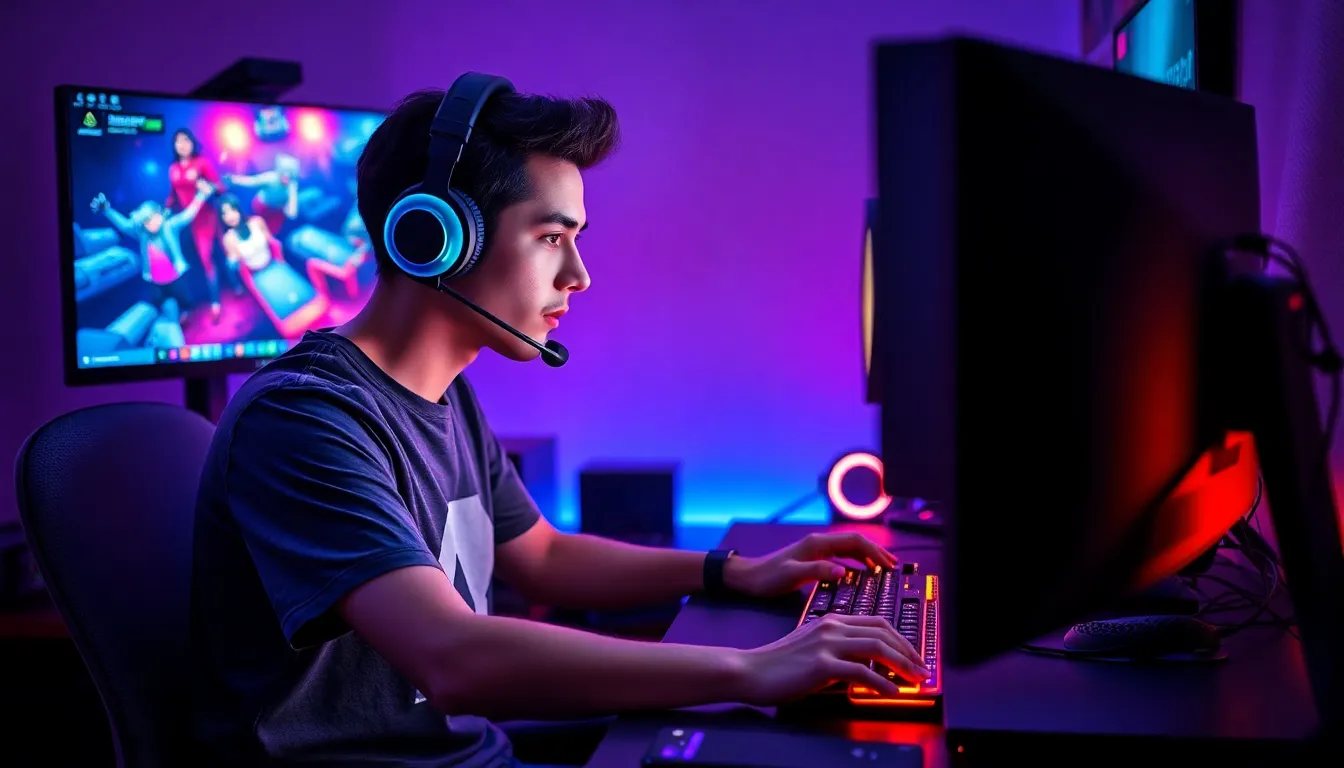
In a world where gaming is more than just a hobby, it’s a lifestyle, the right equipment can make all the difference. Imagine battling it out in your favorite game, only to realize your mouse is slower than a snail on vacation. That’s where gaming equipment companies come to the rescue, offering everything from high-speed mice to ergonomic chairs that make you feel like royalty while you conquer virtual realms.
Gaming Equipment Companies
Gaming equipment companies play a critical role in the gaming landscape by offering innovative tools that shape the gaming experience. Many brands focus on specific niches, such as high-performance mice, keyboards, headsets, and ergonomic chairs. These specialized products enhance comfort and performance while addressing gamers’ diverse needs.
Market leaders include Logitech, Razer, and Corsair, each known for producing reliable gaming peripherals. Logitech excels in creating precision mice and comfortable keyboards. Razer stands out with its visually appealing designs and customizable RGB lighting features. Corsair, with its focus on superior build quality, offers headsets with immersive sound quality.
Emerging companies also contribute to the industry’s growth, providing unique features and competitive pricing. SteelSeries emphasizes advanced software integration, allowing gamers to customize their settings extensively. HyperX focuses on high-quality memory and storage, enhancing gaming performance through speed and reliability. Alienware, a subsidiary of Dell, specializes in gaming laptops and desktops optimized for high-end performance.
Sustainability is becoming a priority for some gaming equipment companies, with efforts to create eco-friendly products. Brands like Logitech are using recycled materials to reduce environmental impact. Gamers increasingly prefer brands committed to sustainability alongside performance.
Continuous innovation drives the gaming equipment market. Companies invest in research and development, enhancing user experience and maximizing performance. Gamers benefit from improved response times, ergonomic designs, and better sound quality. The competitive landscape stimulates brands to push boundaries, providing ever-evolving equipment.
Key Players in the Industry
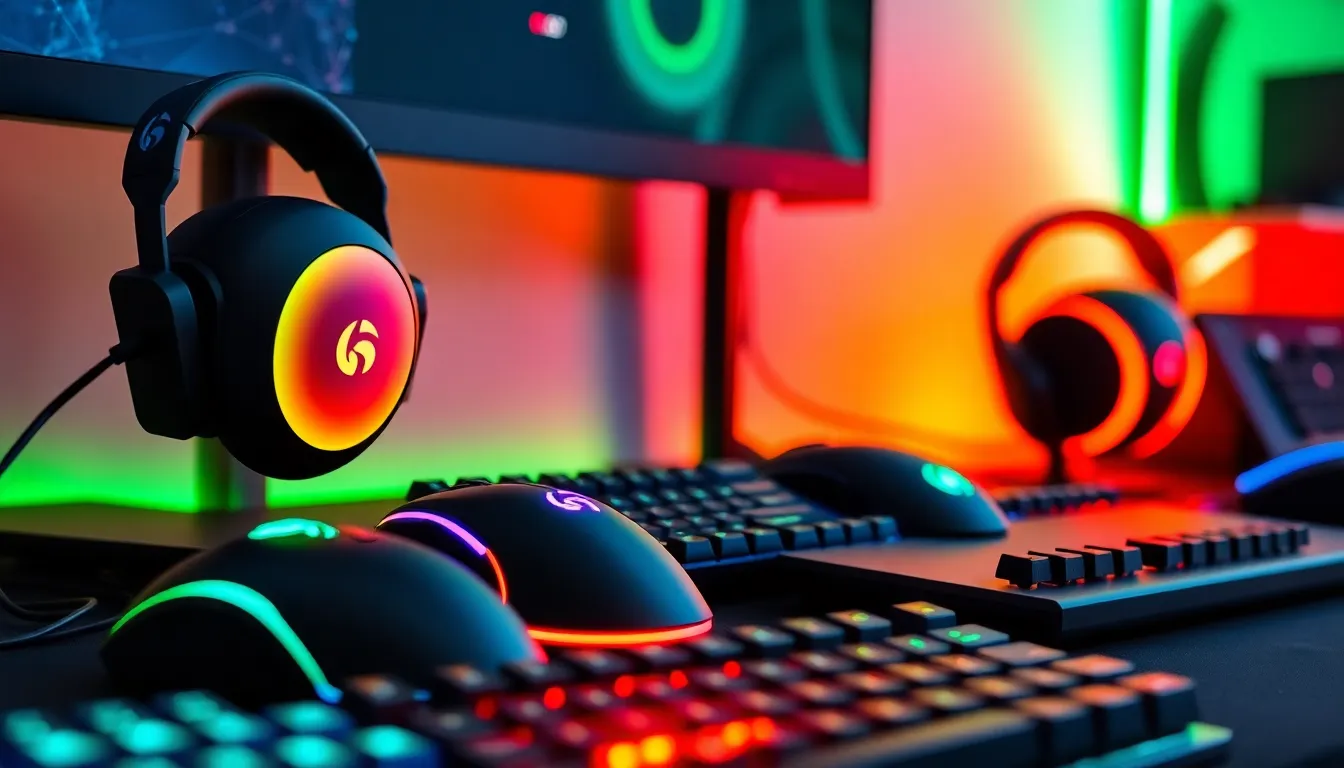
Gaming equipment companies significantly influence the market by enhancing the gaming experience. Established brands set high standards, while emerging startups introduce innovative products.
Established Brands
Logitech excels in producing precision mice and comfortable keyboards, catering to gamers seeking performance and reliability. Razer captures attention with visually appealing designs and customizable RGB lighting, making products attractive for various gamer preferences. Corsair stands out for superior build quality, offering immersive sound headsets that provide a competitive edge during gameplay. Each brand boasts a loyal customer base, driven by continuous innovation and commitment to quality. Reputation among gamers largely stems from these established leaders, shaping expectations for gear reliability and performance.
Emerging Startups
SteelSeries thrives on advanced software integration, offering features that enhance user experience and compatibility. HyperX focuses on high-quality memory and storage solutions, providing excellent value for gamers looking for durability at competitive prices. Brands like these attract attention through innovative approaches and affordability, carving a niche for themselves within the market. Emerging companies often prioritize feedback from the gaming community, enabling rapid improvements and adaptations in their product lines. Their fresh perspectives encourage established brands to innovate further, fostering a dynamic environment in the gaming equipment industry.
Innovations in Gaming Equipment
Gaming equipment companies continually push the boundaries of technology and design to enhance user experience. Their commitment to innovation shapes current and future gaming landscapes.
Technology Advancements
Developments in technology drive major advancements in gaming equipment. Companies implement cutting-edge sensors in mice, resulting in higher precision and faster response times. Wireless technology has improved significantly, with gaming peripherals providing lag-free connections. Integration of artificial intelligence enhances personalized user experiences through adaptive performance settings. Additionally, advancements in haptic feedback offer immersive sensations, making gameplay even more engaging. Data analytics now track gaming patterns, allowing tailored experiences based on player behavior. Each new generation of equipment defines the standard for what gamers can expect from their tools.
Design Trends
Design trends in gaming equipment focus on aesthetics and functionality. Ergonomic designs prioritize user comfort, reducing fatigue during long gaming sessions. Streamlined shapes blend in with modern gaming setups and appeal to diverse preferences. Customizable RGB lighting has become a popular feature, allowing gamers to express their style. Minimalist designs are gaining traction, focusing on sleek, clean lines that enhance the overall gaming setup. Modular designs give players flexibility to upgrade components easily, catering to evolving needs. Companies emphasize the importance of user-friendly interfaces, ensuring accessibility and ease of use for a wide range of gamers.
Consumer Preferences
Consumer preferences in gaming equipment often reflect a blend of functionality, design, and technology. Gamers seek gear that not only enhances performance but also complements their personal styles.
Gaming Settings
Gaming environments significantly influence equipment choices. For instance, competitive gamers often favor professional-grade products that enhance speed and precision during play. Casual gamers might opt for ergonomic solutions to maximize comfort over extended sessions. Streaming setups have also popularized sleek aesthetics and reliable audio gear, as sound quality plays a crucial role in both gameplay and viewer experience. A rise in demand for customizable equipment reflects diverse gamer needs, with options available for various settings, whether at a desk or in a living room.
Demographic Insights
Demographic trends show distinct preferences among gamers. Males aged 18 to 34 dominate the gaming market, but female gamers are gaining ground, representing nearly 41% of the gaming community. Younger gamers often gravitate towards brands that offer modern designs and customizable options, while older players may prioritize durability and functionality over aesthetics. High-income households frequently invest in premium products, boosting sales for established companies. Collectively, these insights help gaming equipment companies tailor their offerings to meet the evolving demands of diverse consumer segments.
Market Trends and Projections
Rapid advancements in gaming equipment drive significant market trends. Continuous innovation enhances user experience with improved ergonomics, faster response times, and superior sound quality. Key brands like Logitech, Razer, and Corsair consistently rank high in consumer preference, demonstrating strong brand loyalty among gamers. Each company embraces unique selling points: Logitech offers precision, Razer captures aesthetic appeal, and Corsair focuses on build quality.
Emerging companies like SteelSeries and HyperX also shape the landscape with competitive pricing. SteelSeries integrates advanced software for improved functionality, while HyperX provides high-quality memory options, making it a favorite among budget-conscious gamers. Sustainability trends gain traction as brands, such as Logitech, utilize recycled materials, reflecting consumer preferences for eco-friendly practices.
Design elements emphasize ergonomics and aesthetics, appealing to diverse gaming communities. Customizable RGB lighting attracts attention, while minimalist designs prioritize sleekness. Many gamers specifically look for user-friendly interfaces that enhance accessibility, confirming the importance of functionality in product design.
Consumer insights reveal distinctive preferences, with males aged 18 to 34 comprising a large segment of the market. Notably, this demographic prioritizes performance alongside personal style, driving demand for professional-grade products designed for competitive play. Women gamers also increasingly influence purchasing trends, emphasizing the need for products that appeal to a broader audience.
High-income households play a significant role in market growth. Their investment in premium gaming equipment bolsters sales for established brands. Projections indicate a continued shift towards innovative features and personalized experiences, driving gaming equipment companies to adapt rapidly. Understanding consumer behavior and preferences is crucial for developing products that resonate with diverse gaming segments.
Conclusion
The landscape of gaming equipment companies continues to evolve as they respond to the diverse needs of gamers. With established brands like Logitech, Razer, and Corsair leading the way through innovation and quality, emerging companies also make significant strides by offering competitive features and pricing.
As gamers increasingly prioritize performance, comfort, and aesthetics, these companies adapt their offerings to align with consumer preferences. The focus on sustainability further reflects a shift towards responsible manufacturing, appealing to environmentally conscious players.
Ultimately, the ongoing advancements in technology and design promise to enrich the gaming experience, ensuring that both casual and competitive gamers have access to the tools they need to elevate their gameplay.

